
Croatia by Land & Sea: Exploring Dubrovnik, the Dalmatian Islands & Beyond
Updated: 57 minutes ago

The captain’s dinner was in full swing. A lone Croatian musician had the room dancing. Then Steve, one of our guests, walked up to the microphone and belted out “Sweet Caroline.” For a moment, we were sure Neil Diamond had joined the cruise.
That night captured our whole trip. Croatia gave us warm people, great food, and one surprise after another.
In October, I led a Latitude Expeditions group from the medieval streets of Dubrovnik through the Dalmatian Islands and inland to Croatia's spectacular national parks. Along the way, we sampled oysters pulled straight from the sea, explored hidden coves and historic islands, discovered family-run wineries, and learned one important Croatian travel lesson: always order the large beer. It's only two euros more.
Two weeks, one small ship, and 6 travelers from the US. These are the moments our group is still talking about.
Dubrovnik: A Five-Star Introduction

Our Croatian adventure began at Hotel Bellevue, perched above a secluded cove just outside Dubrovnik's Old Town. It earns every one of its five stars. The rooms are spacious and beautifully designed. Little touches stand out, from the plush slippers to the designer toiletries. Reception is open around the clock, and the concierge is quick to help. Late dinner? Early arrival? Someone was always there for us.
The property quickly won over the group, starting with one of the most impressive breakfast spreads I've encountered. Fresh breads and pastries, lox and bagels, fruit and salad stations, made-to-order eggs, specialty coffees, fresh juices, pancakes, waffles, and avocado toast ensured nobody started the day hungry.
Dinner at the hotel's Michelin-recommended Restaurant Vapor was equally memorable and exceptional in both food and service. Beautifully prepared seafood, slow-cooked lamb so tender it could be cut with a fork, and excellent Croatian wines made for a meal worthy of the setting.
Our favorite feature of the hotel was the quick elevator ride from the lobby that leads directly to a protected beach cove below, where crystal-clear Adriatic waters invite an afternoon swim. Next to the restaurant, locals climb a cliff about 40 feet up and dive into the water. It’s fun to watch, but I prefer the beach.

History, Views & Sunset Over the Adriatic
Dubrovnik's Old Town feels like a living museum. Walking its polished limestone streets, centuries of history unfold around every corner. Our guide, Mato, brought the city's story to life, from its days as a powerful maritime republic to the Croatian War of Independence in the 1990s.
One of the highlights came on our first evening, when a cable car carried us to the summit of Mount Srd. From above, the city's terracotta rooftops, ancient walls, and the sparkling Adriatic Sea stretched out in every direction. As the sun sank into the horizon, we settled in at Panorama Restaurant, where both the seafood and the sweeping coastal views lived up to the name. Watching daylight fade over Dubrovnik and the Adriatic was an unforgettable start to the journey.
Setting Sail Along the Dalmatian Coast
From Dubrovnik, we boarded the Rhapsody, an intimate small ship carrying just 26 guests on our sailing. With fewer passengers and a relaxed atmosphere, it felt less like a cruise and more like traveling with a group of friends.

Our first stop was Slano, where rainy weather led to one of the trip's funniest stories. While touring a small local museum, a very friendly woman told us the history of its centuries-old jail. I know the jail’s story well now, because I was locked in it. Thankfully, the sentence didn't last long.
A visit to nearby Ston provided one of Croatia's most memorable culinary experiences. After touring the village known for its salt pans, we boarded a small boat into Ston Bay to visit a local oyster farm. The family showed us how oysters are cultivated in the protected waters before serving them exactly as nature intended: freshly shucked and straight from the sea. Paired with mussels and homemade wine, it was as authentic a Croatian lunch as you could ask for.
Mljet: Monasteries, Lakes & Croatian Beer
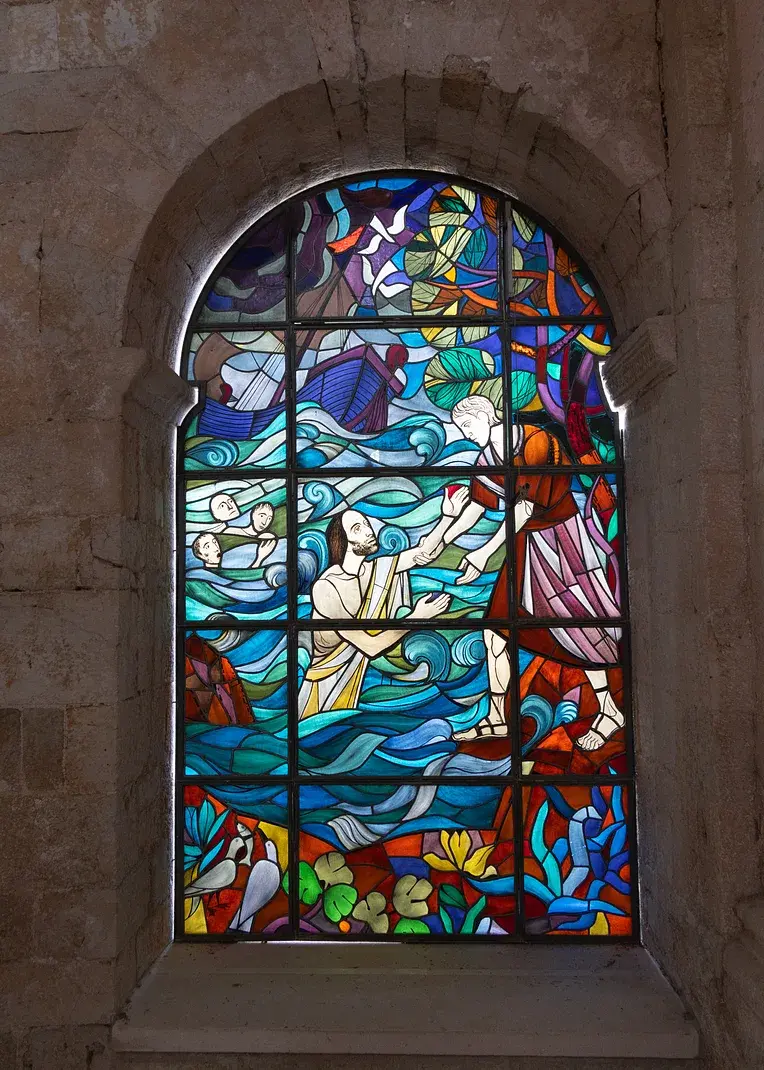
Mljet National Park showcased a completely different side of Croatia. Surrounded by pine forests and tranquil lakes, the island feels worlds away from the busier coastal towns.
The park's centerpiece is a 12th-century Benedictine monastery located on a tiny island in the middle of the Great Lake. Reaching it requires a scenic walk and ferry ride, but the remarkable artwork and peaceful atmosphere make the effort worthwhile.
Two of our guests, Denise and Lisa, braved a swim in the lake. They lasted about seven minutes!
It was also here that our unofficial trip motto was born. Whenever someone ordered a draft beer, another guest would inevitably remind them: "Get the large one. It's only two euros more." Good advice, as it turns out.

Korčula & Vis: Dune Buggies, Vineyards & The Island Most Tourists Miss
Next, we set course for Korcula, the island that claims to be Marco Polo’s birthplace. On the way, we dropped anchor in a secluded bay for a swim.
Afterwards, all 26 guests climbed behind the wheel of their own dune buggy as we followed winding roads through villages, vineyards, and scenic overlooks above the Adriatic. A lead and support vehicle kept the group together as we explored parts of the island most visitors never see. We laughed from start to finish.

Back at the start, a surprise was waiting. The owner and his wife had set out a full wine tasting with appetizers, just for us. More than the tasting itself, it was the hospitality that stood out. Like so many people we met throughout Croatia, the owners welcomed us like old friends rather than visitors.
Vis offered a similar experience with an entirely different atmosphere. One of the Adriatic's most under-the-radar islands, Vis still feels authentic and uncrowded. At a small family-owned winery overlooking the vines, we sampled red and white wines alongside homemade cheeses, cured meats, olives, and fresh bread while learning the stories behind both the wines and the family who produced them. The owner then led us on a tour of the winery, and afterward we stopped at the gift shop to buy some wine. It was one of the best wine presentations I have been to.
The Blue Cave and Hvar

Come early morning, we set course for the island of Biševo and its famous Blue Cave. Swimming isn't permitted inside, making it strictly a sightseeing experience, but that's hardly a disappointment. Sunlight enters through an underwater opening and transforms the cave into a glowing chamber of brilliant blue light. It's one of Croatia's most remarkable natural wonders.
We saved our swim for afterward, at the Pakleni Islands, where we also had lunch on board before heading to Hvar.
Often called the sunniest island in the Adriatic, Hvar blends beautiful scenery with a rich cultural history. We explored its Renaissance cathedral, visited one of Europe's oldest community theaters, and climbed to the hilltop fortress for spectacular harbor views before wrapping up the day with pizza and, of course, large beers.

Plitvice Lakes National Park
After saying goodbye to island life, we headed inland toward my favorite portion of the trip: Plitvice Lakes National Park. The 2.5-hour drive was a treat in itself. We rolled past lakes and green hills dotted with
flocks of sheep.
A UNESCO World Heritage Site, Plitvice is a spectacular landscape of interconnected lakes, waterfalls, and forested trails. Wooden boardwalks seem to float directly above crystal-clear water, while cascading falls connect one emerald lake to the next.
That afternoon, we met our guide, Petra. She grew up hiking these trails with her father, who has a tree named after him! Together we covered more than six miles on foot, passing waterfalls, hidden viewpoints, and brilliant autumn colors reflected like mirrors in the water below. Even after a relatively dry year that reduced water flow, the scenery was breathtaking. It remains one of the most beautiful national parks I've visited anywhere in the world.
Dubrovnik vs. Split: Two Cities, Two Personalities
Many travelers ask whether they should visit Dubrovnik or Split. After spending time in both cities, my answer is simple: visit both if you can.
Dubrovnik feels grand and dramatic, defined by its imposing city walls, polished Old Town, and stunning Adriatic setting. Split, meanwhile, feels more lived-in and authentic. Daily life unfolds inside and around Diocletian's Palace, where ancient Roman walls now house cafés, restaurants, shops, and apartments.
If you’re a Game of Thrones fan, both cities offer tours. You might even get your picture taken sitting on the Iron Throne.
While Dubrovnik impresses with its monumental beauty, Split offers a more relaxed atmosphere and a stronger sense of everyday Croatian life. Both are unforgettable for different reasons.
Krka: A Worthy Finale

Our final stop was Krka National Park, home to the famous Skradinski Buk waterfalls.
While often compared to Plitvice, the two parks offer very different experiences. Plitvice is larger, more dramatic, and better suited to travelers looking for extensive trail systems and longer walks. Krka is smaller and easier to navigate, with shorter routes, excellent waterfall viewpoints, and the charming riverside town of Skradin nearby.
Our group was split on which park they preferred. Personally, I give a slight edge to Plitvice for its scale and scenery, but Krka's accessibility and relaxed atmosphere make it equally rewarding. If time allows, visit both. If you can only choose one, Plitvice delivers the bigger wow factor.
Why Croatia Belongs on Your Travel List
Croatia surprised me in all the best ways. The scenery is extraordinary, from medieval cities and island harbors to waterfalls and national parks. The food and wine are exceptional. But what stood out most were the people. Whether sharing stories at an oyster farm, welcoming us into a family vineyard, or guiding us through centuries of history, the Croatians we met consistently made us feel welcome. Combine that hospitality with island-hopping adventures, incredible food and wine, UNESCO-listed cities, and some of Europe's most beautiful natural landscapes, and it's easy to see why Croatia continues to capture travelers' hearts.
As for our group, we're still talking about the sunsets, the waterfalls, the wine tastings, and that unexpected performance of "Sweet Caroline."
And yes, we're still ordering the large beer. It's only two euros more.




Comments